
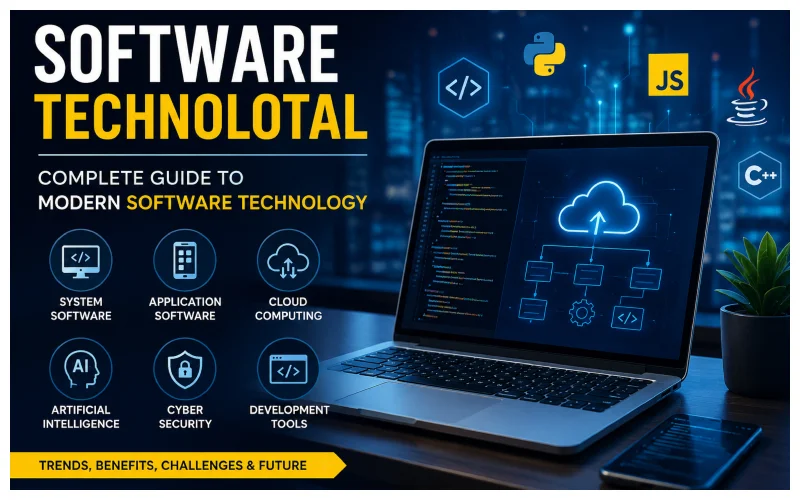
Software technolotal often searched as software technology is reshaping how businesses, students, and everyday users interact with digital tools. In this guide, every major aspect of the topic is covered in a simple, easy-to-follow format, so that both beginners and professionals can walk away with a clear understanding.
What Is Software Technolotal
Software technolotal refers to the broad field of software technology, which includes the tools, applications, and systems that are used to operate computers, mobile devices, and digital platforms. This field is divided into two primary categories: system software and application software.
System Software
System software is the foundation on which everything else runs. Operating systems such as Windows, macOS, Linux, and Android fall into this category.
Application Software
Application software, on the other hand, is built for specific tasks. Mobile apps, browsers, and productivity tools are common examples that most people use daily.
It is worth noting that this technology is constantly evolving. New frameworks, programming languages, and development practices are introduced every year, and staying updated has become a necessary skill for anyone working in a tech-related field.
Why Software Technolotal Matters Today
A few years ago, software was seen as something used mainly by large corporations. That is no longer the case. Small businesses, freelancers, students, and even hobbyists now depend on software tools for everyday tasks. Below are some of the areas where its impact is most visible.
Business Operations
Companies use software for accounting, inventory management, communication, and customer relationship management. Automation tools reduce manual work, which saves both time and money. Many businesses that adopted cloud-based software reported noticeable improvements in efficiency within the first year of implementation.
Education
Learning management systems, virtual classrooms, and digital textbooks have made education more flexible. Students are no longer limited to physical classrooms, and teachers can reach a wider audience through online platforms.
Healthcare
Hospitals and clinics rely on software for patient records, appointment scheduling, and diagnostic support. Telemedicine platforms, built entirely on software technology, have made healthcare more accessible, especially in remote areas.
Everyday Communication
Messaging apps, video calling platforms, and social media are all products of software technology. These tools have changed how people stay connected, regardless of distance.
Key Trends Shaping Software Technolotal
The software industry does not stay still for long. A few trends are currently driving most of the innovation in this space.
- Artificial Intelligence and Machine Learning — AI is being built into everyday software, from customer service chatbots to recommendation engines.
- Cloud Computing — Storing and processing data on remote servers has replaced traditional on-site storage for many businesses.
- Cybersecurity Integration — As more operations move online, protecting data has become a core part of software design rather than an afterthought.
- Low-Code and No-Code Development — These platforms allow people with limited coding knowledge to build functional applications, opening the field to a wider range of users.
- Cross-Platform Development — Tools that allow a single codebase to run on multiple devices are reducing development time and cost.
Common Challenges in Software Technolotal
While the benefits are significant, there are challenges that come with adopting new software technology.
Cost can be a barrier, especially for small businesses that need to invest in both software licenses and staff training. Compatibility issues between old and new systems can also slow down adoption. Additionally, as software becomes more complex, the risk of security vulnerabilities increases, which makes ongoing maintenance and updates essential rather than optional.
Despite these challenges, most organizations find that the long-term benefits of adopting modern software outweigh the initial hurdles.
How to Get Started with Software Technolotal
For beginners who want to understand or work in this field, a step-by-step approach works best.
Step 1: Learn the Basics
Start by learning the basics of how computers and operating systems function.
Step 2: Pick a Programming Language
Move into a beginner-friendly programming language such as Python, which is widely used and has a large support community.
Step 3: Choose a Specialization
Once the fundamentals are clear, explore specific areas of interest, whether that is web development, mobile apps, data analysis, or cybersecurity.
Step 4: Build Practical Experience
Practical experience matters more than theory alone. Building small projects, contributing to open-source software, or working on freelance tasks can help reinforce what is learned and build a portfolio at the same time.
Frequently Asked Questions
Is software technolotal the same as software engineering?
Not exactly. Software technology is a broader term that covers all tools and systems, while software engineering specifically refers to the structured process of designing and building software.
Do I need a degree to work in this field?
A degree can help, but many professionals in this field have built successful careers through self-learning, certifications, and hands-on project experience.
What is the future of software technology?
The future points toward greater integration of AI, more automation, and increased focus on data security. Businesses that adapt early are likely to stay ahead of competitors.
Final Thoughts
Software technolotal, or software technology, is no longer optional for businesses or individuals who want to stay relevant in a digital-first world. From small startups to large enterprises, the tools and systems covered in this guide are shaping how work gets done. Understanding the basics, staying aware of current trends, and building practical skills are the best ways to make the most of what this field has to offer.