Switching between five different apps just to run one project wastes time and creates gaps in communication. Uhoebeans brings project tracking, team collaboration, automation, and reporting into one workspace, so a freelancer and a fifty-person company can both run their daily operations from the same dashboard. This guide covers exactly how to set it up and the specific ways professionals put it to work.
What Is Uhoebeans Software
Uhoebeans is a cloud-based workflow platform that combines task management, team communication, automation rules, and analytics in one system. Instead of a separate app for messaging, another for tracking deadlines, and a third for reporting, everything runs through one dashboard. This is what makes it useful for freelancers managing client work as well as departments coordinating dozens of moving projects.
Getting Started with Uhoebeans
Account Setup and Registration
Sign up with a work email, verify it, and set a strong password with multi-factor authentication turned on before anything else. If you are setting this up for a team, invite members and assign roles (admin, standard user, or guest) at this stage rather than later, since access control gets harder to clean up once projects are already underway.
Installation and Initial Configuration
Uhoebeans works through a browser or as a desktop install. Download the installer, accept the license terms, and pick your configuration preferences. Once it is running, connect the tools you already use, such as email or accounting software, and set your notification preferences before creating your first project, so you are not interrupted mid-setup by a flood of default alerts.
Practical Ways to Use Uhoebeans Software
Project and Task Management
Create a project, break it into tasks with owners and deadlines, and choose a Kanban board, Gantt chart, or list view depending on how your team prefers to track progress. A content team, for example, can move posts through “Idea,” “Draft,” “Review,” and “Published” columns so nothing gets stuck without anyone noticing.
Team Collaboration
Keep conversations inside the task they relate to instead of in a separate chat app. Comment threads, file attachments, and @mentions attached to a specific task mean anyone joining later can see the full history without asking around for context.
Workflow Automation
Set rule-based triggers for repetitive work: automatically remind a task owner two days before a deadline, move a card to “Done” when all subtasks are checked off, or generate a weekly status report without anyone building it by hand. These small automations add up to hours saved every week once a few are in place.
Customer Relationship Management
Use it as a lightweight CRM by logging client details, communication history, and deal stage directly on a pipeline board. Sales teams can automate follow-up reminders after a call and get a real-time view of where every deal stands without paying for a separate CRM tool.
Data Analytics and Reporting
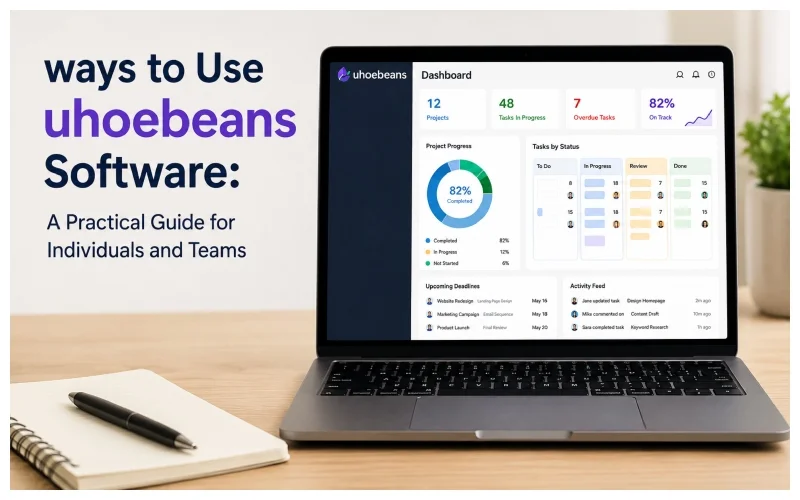
Build a dashboard around the metrics that actually matter to your business — cart abandonment for e-commerce, appointment adherence for healthcare, or ticket resolution time for support teams. Turning raw activity data into a visual report makes it far easier for a manager to spot a bottleneck before it becomes a bigger problem.
Personal Productivity for Freelancers and Individuals
A freelancer can run an entire client roster through one board: intake, invoicing status, active deliverables, and deadlines, all in a single view instead of scattered across notebooks and email threads. Individual users can also track personal goals or habits the same way they would a work project.
Remote and Hybrid Team Support
Because it is cloud-based, a designer in one time zone and a project manager in another can both check the same board, update task status, and leave comments without needing to be online at the same time. This keeps distributed teams aligned without extra check-in meetings.
Common Mistakes to Avoid
Skipping onboarding is the fastest way to end up with a tool nobody actually uses beyond a basic to-do list. Connecting every available integration without reviewing permissions is another common mistake, since it widens the number of places sensitive data can leak from. Finally, setting up boards and automations but never checking the analytics defeats the purpose: the reporting tools are what turn daily activity into decisions.
Advanced Ways to Maximize the Platform
Once your team is comfortable with the basics, build conditional workflows: a task that automatically routes to legal review if it involves a contract, or one that escalates to a manager if it sits untouched for three days. Connect accounting and email tools through native integrations so data updates in both places without manual re-entry. Add access controls, encryption, and audit logs as more people join, since compliance needs grow with team size.
Final Thoughts
Uhoebeans covers far more ground than a basic task list. Project tracking, team communication, automation, CRM, and analytics all live in the same workspace, which cuts down on the tool-switching that eats up so much of a normal workday. Start with one feature, such as task management or a single automated reminder, get it working well, and expand from there. That gradual approach tends to produce better adoption than trying to roll out every feature at once.